12 strange things about Singapore I still can’t get used to
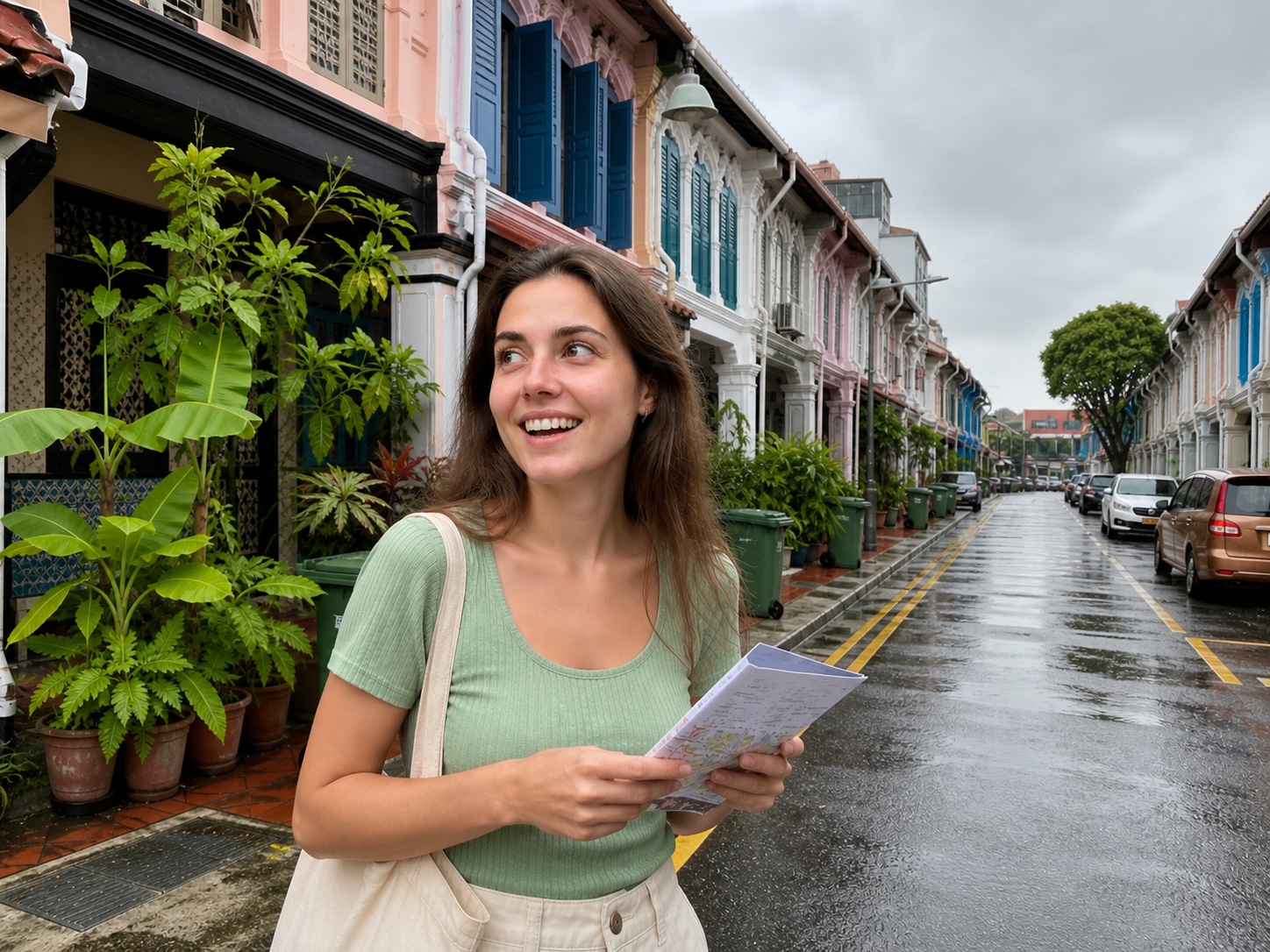
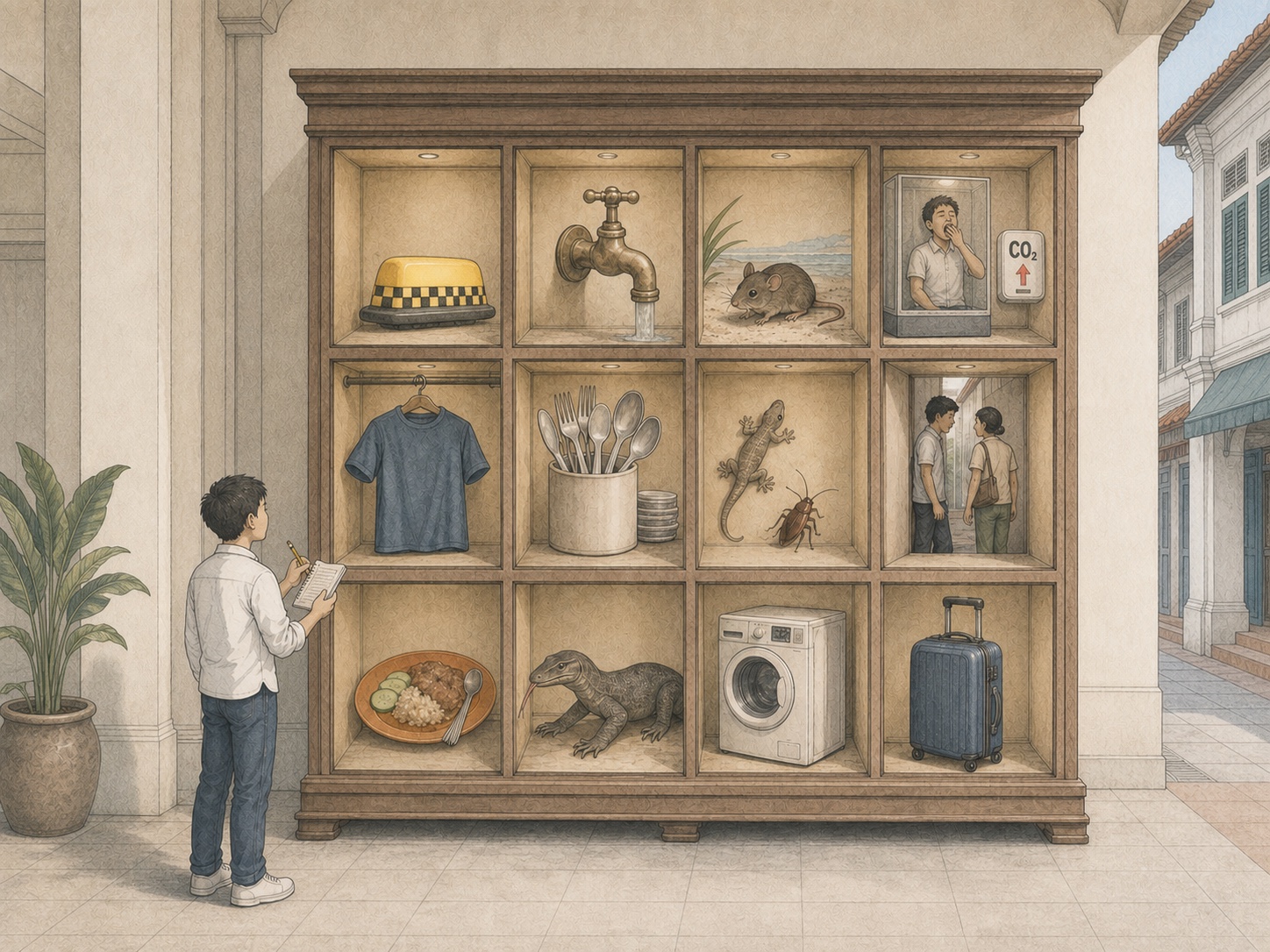
After five years in Singapore, the famous things no longer surprise me very much. I know about the architecture, the food, the prices, the rules and the prohibitions. What still catches me are the small, everyday things — the ones nobody puts in a tourist brochure.
- Taxi drivers can make you carsick 🚕🤢
- Tap water isn’t cold 💧
- Mice on the beach 🏖️🐁
- The air gets stale in the apartment 🌬️
- You constantly need to do laundry 🧺
- Restaurant service can be strange 🍽️
- The choice: insects or lizards 🪳🦎
- It’s hard to pass on narrow sidewalks 🚶♀️🚶🚶♂️
- The food is incredibly diverse 🦑👀
- The animals I expected to be dangerous 🐊🐍
- Repair often means replace 🛠
- Your friends will leave sooner or later 🧳✈️
1. Taxi drivers can make you carsick 🚕🤢
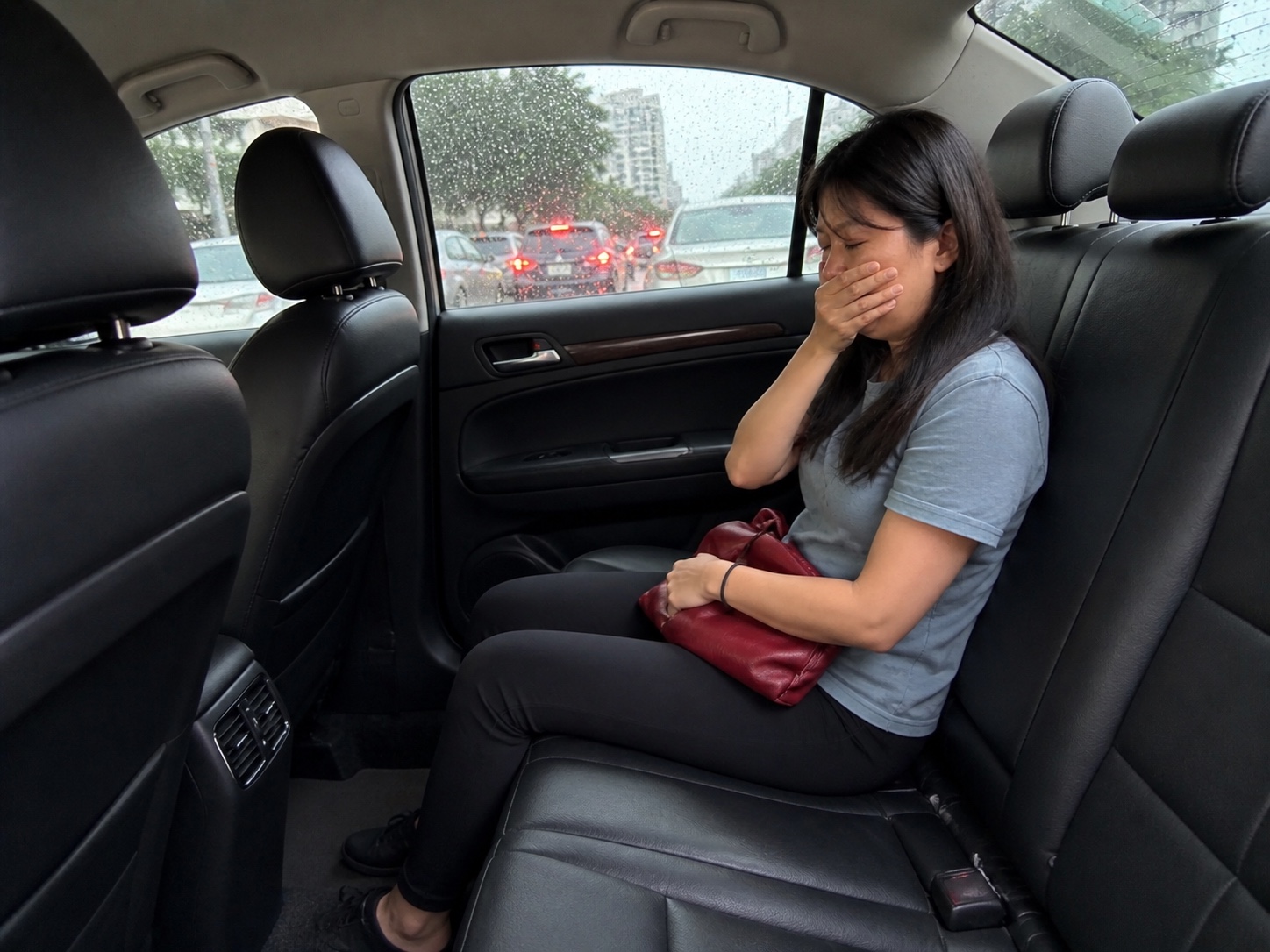
By big-city standards, it is fairly easy to get around Singapore by car. But on some taxi rides I notice a repeated press-and-release rhythm on the accelerator. Back and forth. Aty-aty. Other passengers may not mind it; after fifteen minutes I usually start to feel sick.
I have heard several explanations, including myths about the meter or fuel economy, but I have not found a reliable answer. It may simply be an individual driving habit.
On a few rides I also noticed a strong dried-herb scent in the cabin. I never identified its source, and the smell was not for me.
2. Tap water isn’t cold 💧
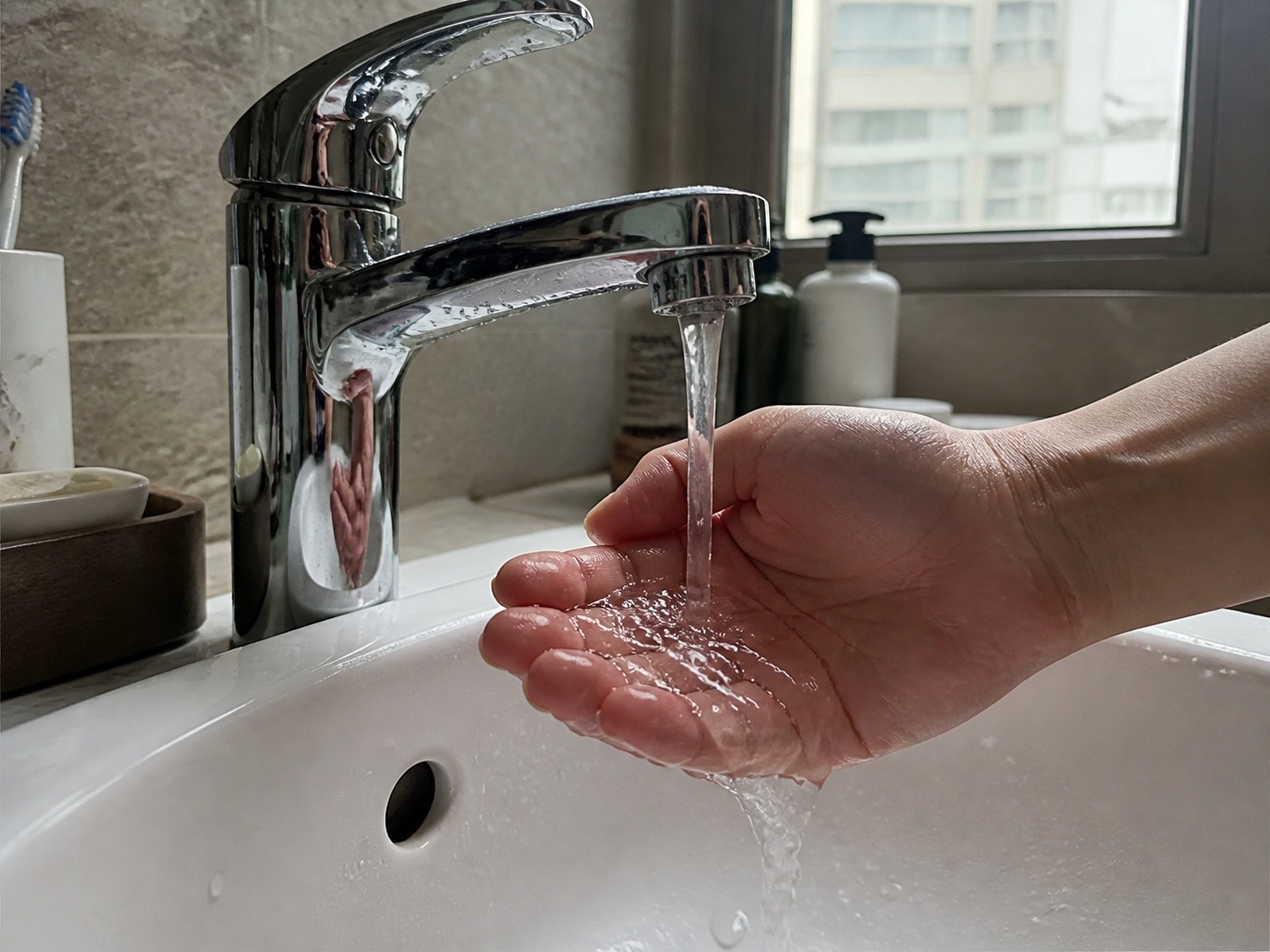
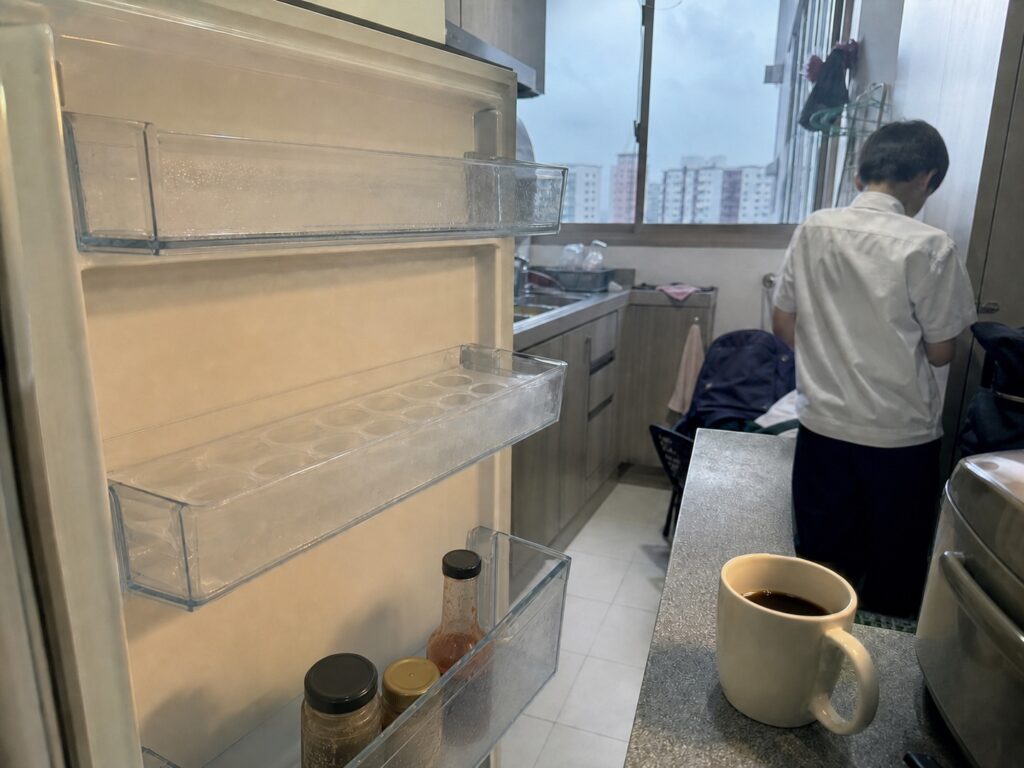
What’s better than washing your face with cold water in the morning? It’s a great way to wake up and feel refreshed. However, in Singapore, this is a luxury you can’t afford. The tap water is just a bit cooler than room temperature and doesn’t refresh you like cold water would. I often don’t even turn on the gas heater and shower under this “cold” water, and it’s quite comfortable.
Once, in an office building, I saw a pipe labeled “chilled water.” I thought maybe this was the cold water I’d been missing for washing my face. But it turned out that this special water was meant for air conditioning systems.
By the way, PUB says Singapore tap water is suitable for drinking directly from the tap. I like the taste. But it is not cold!
3. Mice on the beach 🏖️🐁
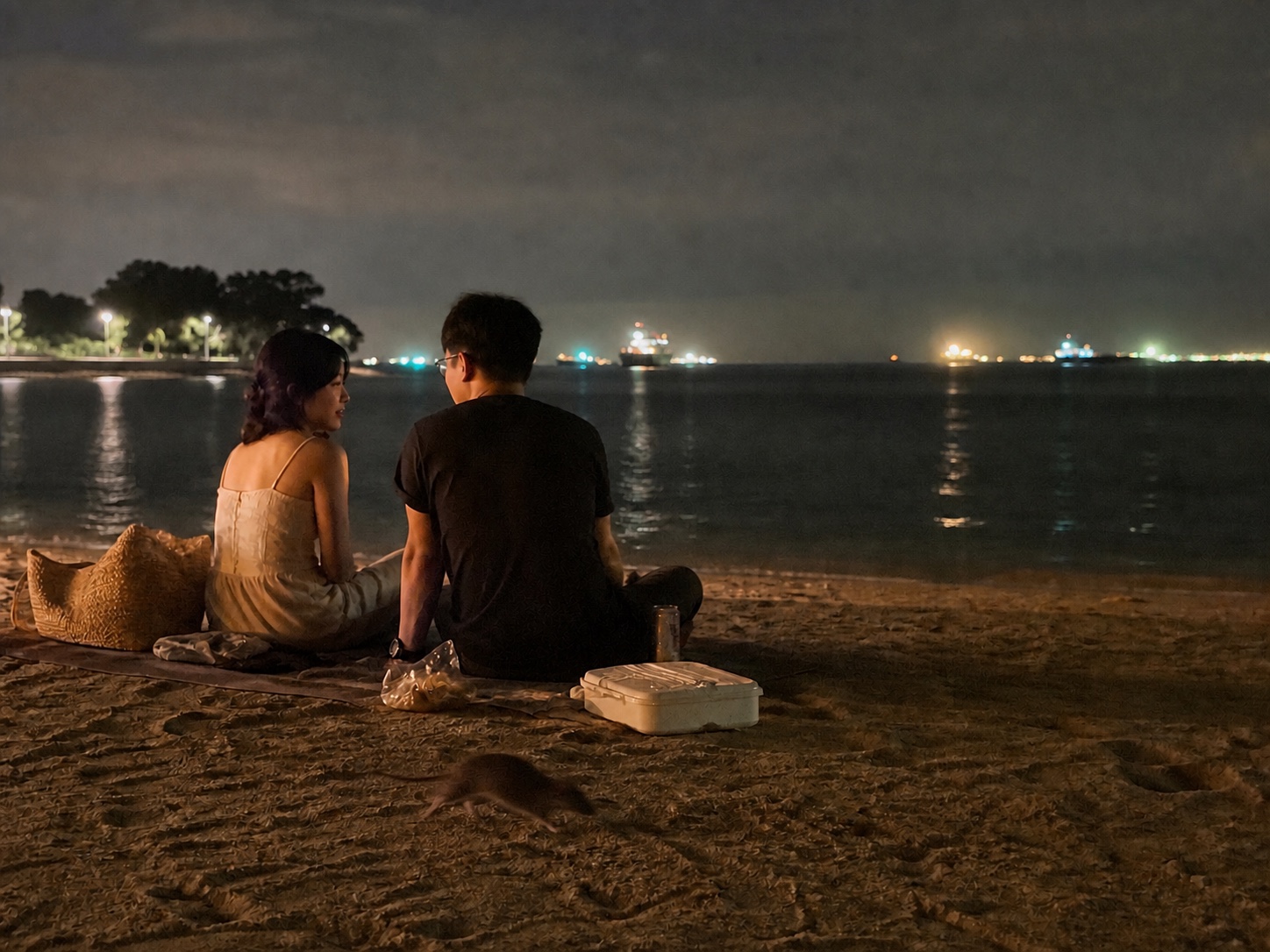
Picture this: you’re in a cozy corner of East Coast Park, and evening has arrived. A soft sandy beach stretches before you, painted in sunset colors. The air is no longer too hot, a gentle breeze caresses your skin, and the soothing sound of the surf lulls you into a calm state. You are comfortably settled on the sand right at the water’s edge. Perhaps you’re holding a glass of fragrant wine or a tasty sandwich, and next to you is someone special whom you truly love. An idyllic scene, full of harmony and tranquility.
Unfortunately, the perfect moment does not last. Once the sun has gone down, a different population takes over the beach: mice. They seem to appear from everywhere — at times it feels like thousands of them — scurrying across the sand and squeaking in the dark. They are not interested in attacking you, but they are very good at destroying romance.
4. The air gets stale in the apartment 🌬️
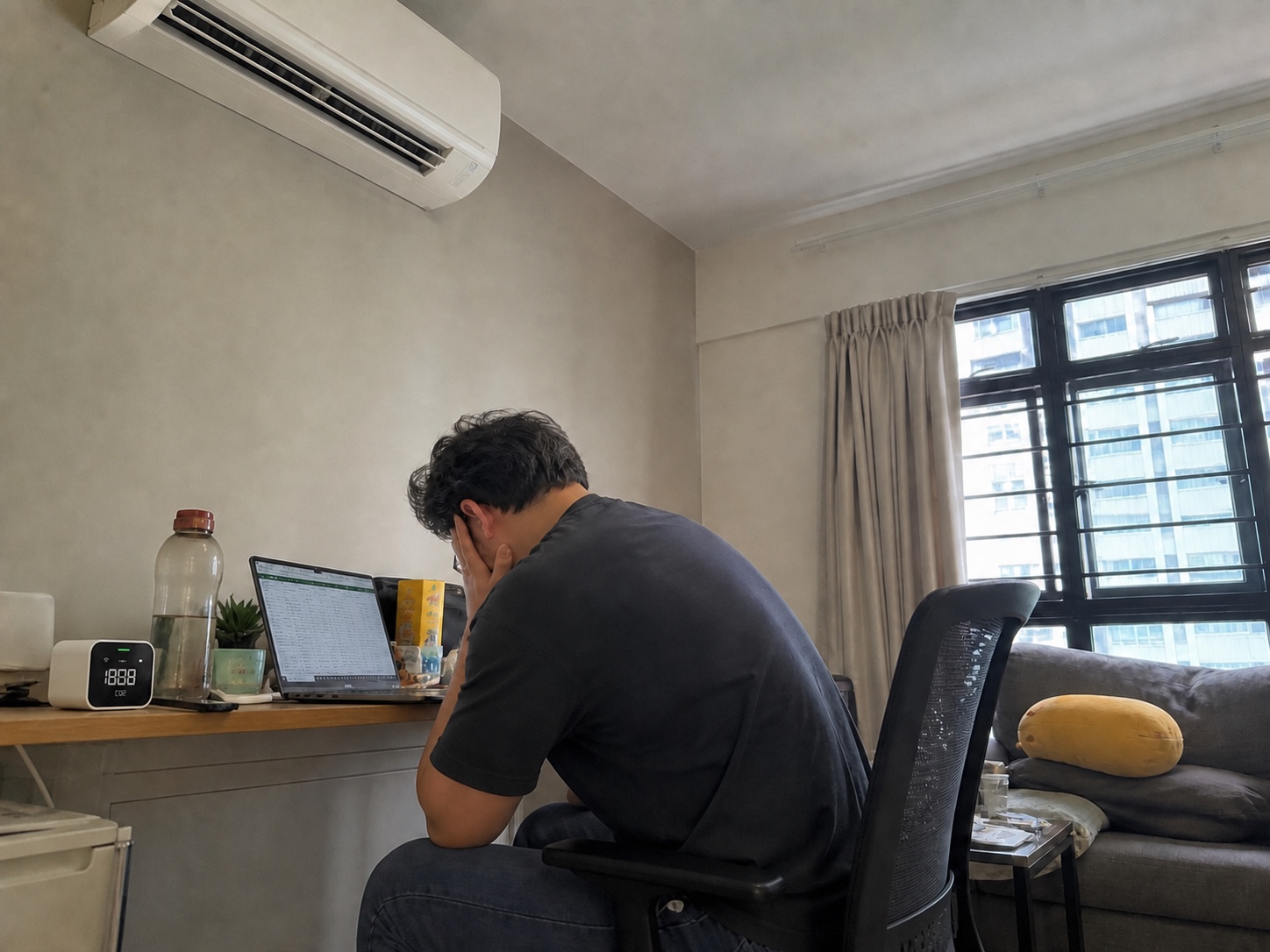
Singapore is hot. Daytime temperatures commonly sit around 28–30°C, and the humidity makes it feel hotter. Nights are not exactly cool either. So many residents, especially expats, keep the air conditioning running for hours.
There is one problem that is easy to miss. Most split-unit air conditioners cool and dry the air but do not bring in fresh air from outside. With the windows closed, carbon dioxide can build up and the room starts to feel stale. That can contribute to headaches and sleepiness.
The change is surprisingly hard to notice. The room still feels cool and fresh, even when the ventilation is poor. I use carbon-dioxide sensors to tell me when it is time to open a window. It would be nice to live with the windows open and forget the air conditioner altogether. I am not there yet.
5. You constantly need to do laundry 🧺
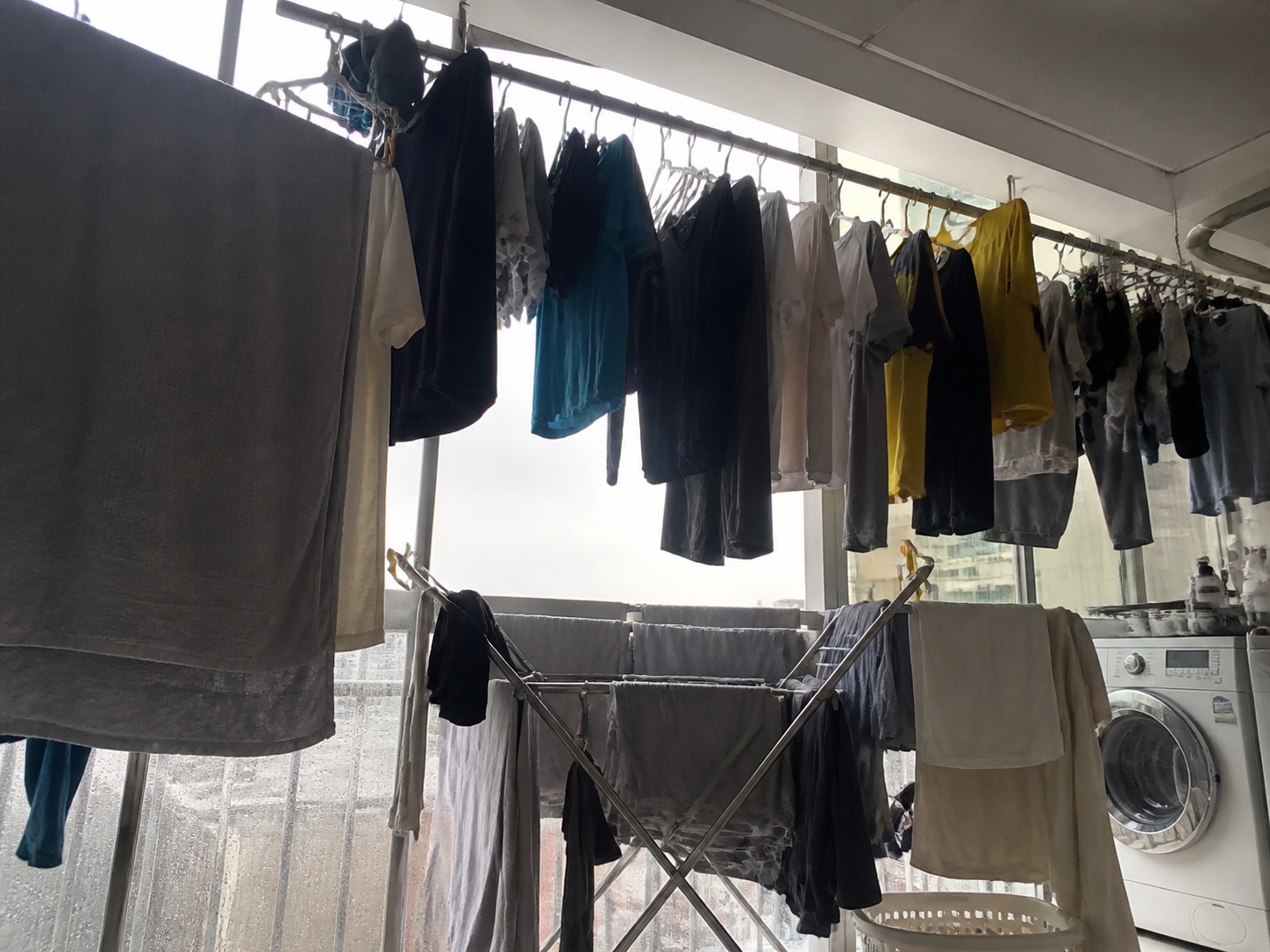
If you decide to go for a daytime stroll through the streets of Singapore, there’s a high chance you’ll sweat a lot. If the walk is long, you’ll probably end up soaked. Because of this, you have to wash your clothes frequently. For instance, you can’t wear the same T-shirt two days in a row. Well, technically, no one will stop you from doing that, but it’s better not to.
Singapore’s climate made me appreciate synthetic sports clothing. I used to think synthetic fabric was simply inferior to natural material. Here I discovered that good technical fabrics handle sweat well and dry much faster after getting soaked.
Occasionally, I see people walking the streets of Singapore in trousers, classic long-sleeve shirts, and even blazers without breaking a sweat. How is this possible? Maybe they’re some kind of aliens.
6. Restaurant service can be strange 🍽️
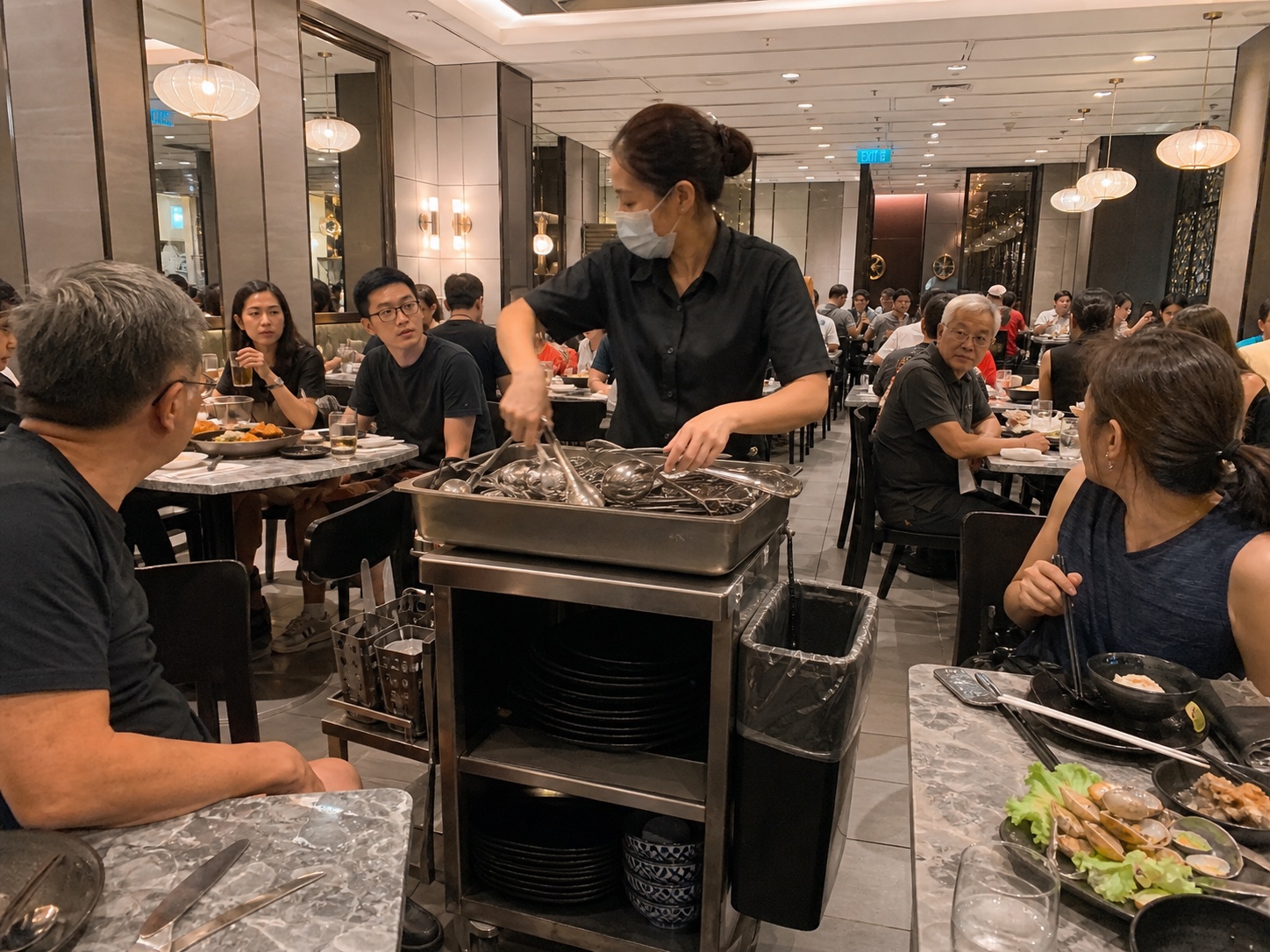
Singapore has plenty of expensive restaurants, but in my experience a high price does not guarantee good food or attentive service. Bills normally include a 10% service charge, and tipping is not generally expected. The atmosphere can therefore feel much more relaxed than the price suggests.
In several restaurants I have had dishes arrive in a different order from what I expected, or all at once. If the sequence matters, I now mention it when ordering.
I have also been moved between tables in an otherwise empty restaurant because of reservations. It made sense to the staff and felt absurd to me; both can be true.
At one restaurant, staff sorted cutlery noisily in the middle of the dining room while guests were eating. When I mentioned it, the manager seemed genuinely surprised and said I was the first person to complain. It was one restaurant and one evening, but I still remember the clatter.
7. The choice: insects or lizards 🪳🦎
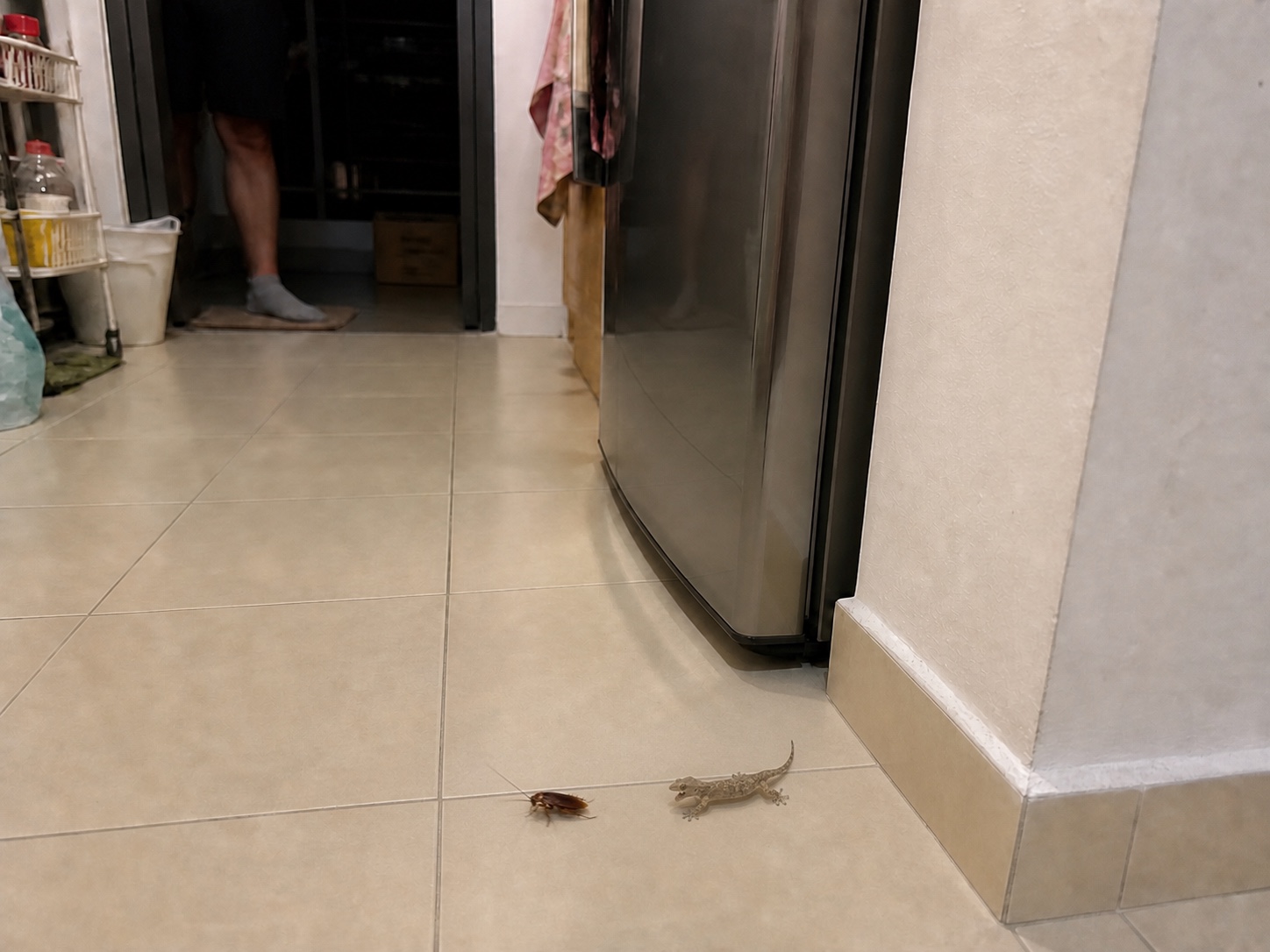
In a tropical apartment, some kind of wildlife will probably appear sooner or later. I have seen cockroaches above the fortieth floor. In Singapore, the choice sometimes feels simple: lizards or insects. A gecko named Gennady lived under my fridge for several years, eating cockroaches and ants. I assumed geckos were silent. Mine made a surprisingly loud and strange noise. At first I was afraid of him; then I realised Gennady was better than cockroaches. We had an agreement: he ate the insects, and I pretended he did not exist.
Geckos are quite common here. In the evening, they sit on the walls and ceilings of buildings, waiting for their prey. They’re good!
8. It’s hard to pass on narrow sidewalks 🚶♀️🚶🚶♂️
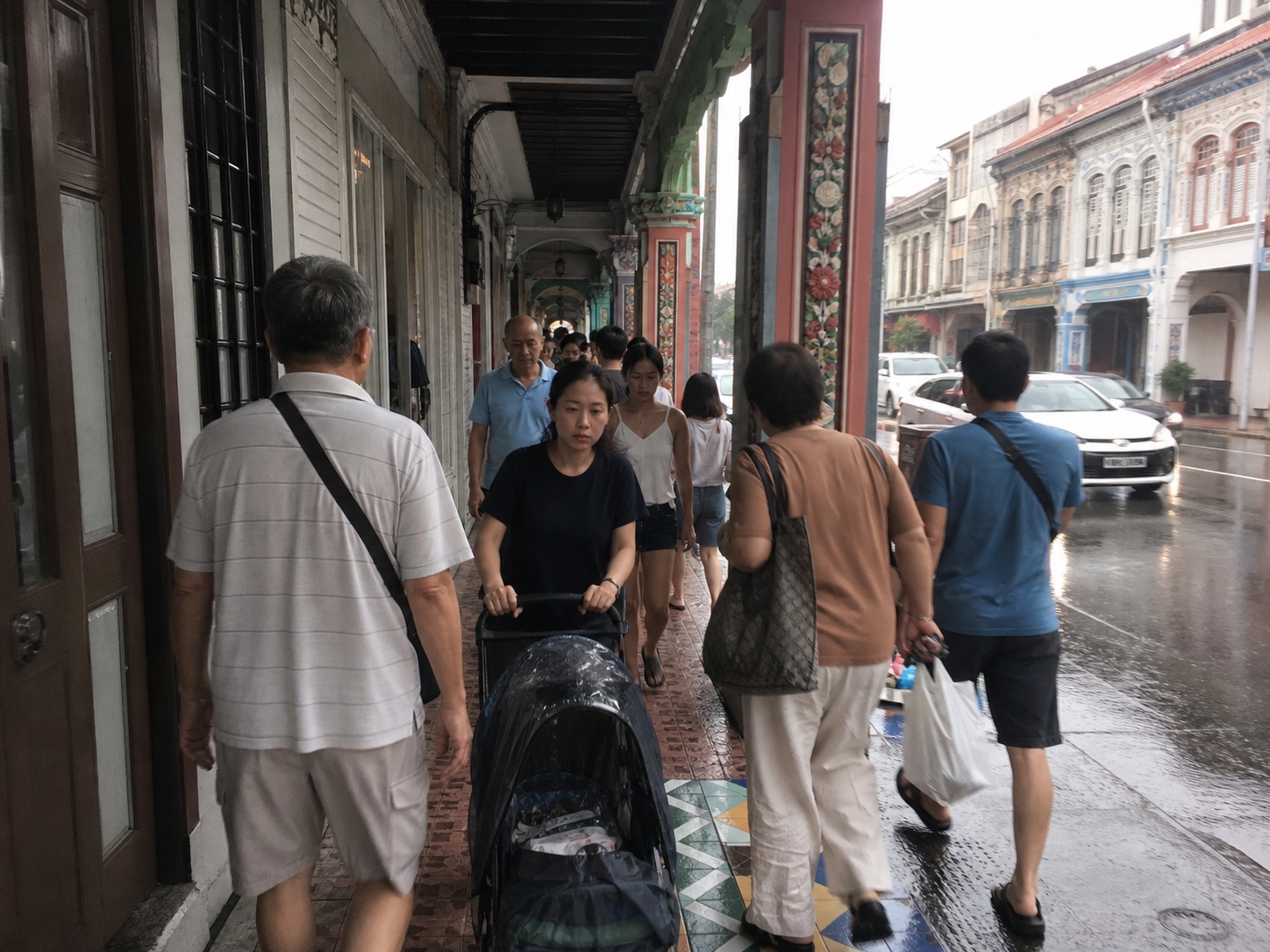
I live in the Joo Chiat district, and there are many shophouses here — traditional two- or three-story buildings with shops or bars on the first floor and residences above. These buildings are designed to form a special covered gallery that protects pedestrians from rain and sun. This passage even has its own name: “five-foot way,” which comes from a British colonial rule requiring a covered passage of at least five feet wide for pedestrians.
I walk through these charming but narrow passages every day. Sometimes people simply fall into a line behind the slowest pedestrian, which is awkward if you have a stroller. At other times someone follows closely while looking at a phone, apparently using the person ahead as a guide. When it gets irritating, I stop and let the small procession pass.
Singapore drives on the left, and in my experience pedestrians often keep left too. The same habit appears on escalators, where people generally stand on the left. It took me a while to adjust. Now, whenever I visit Europe, I have to adjust all over again.
With residents and tourists approaching from both directions, a five-foot way can become a tiny negotiation. I still occasionally move to the wrong side out of habit, and someone else politely moves the same way.
Please, always walk on the left side in Singapore!
9. The food is incredibly diverse 🦑👀
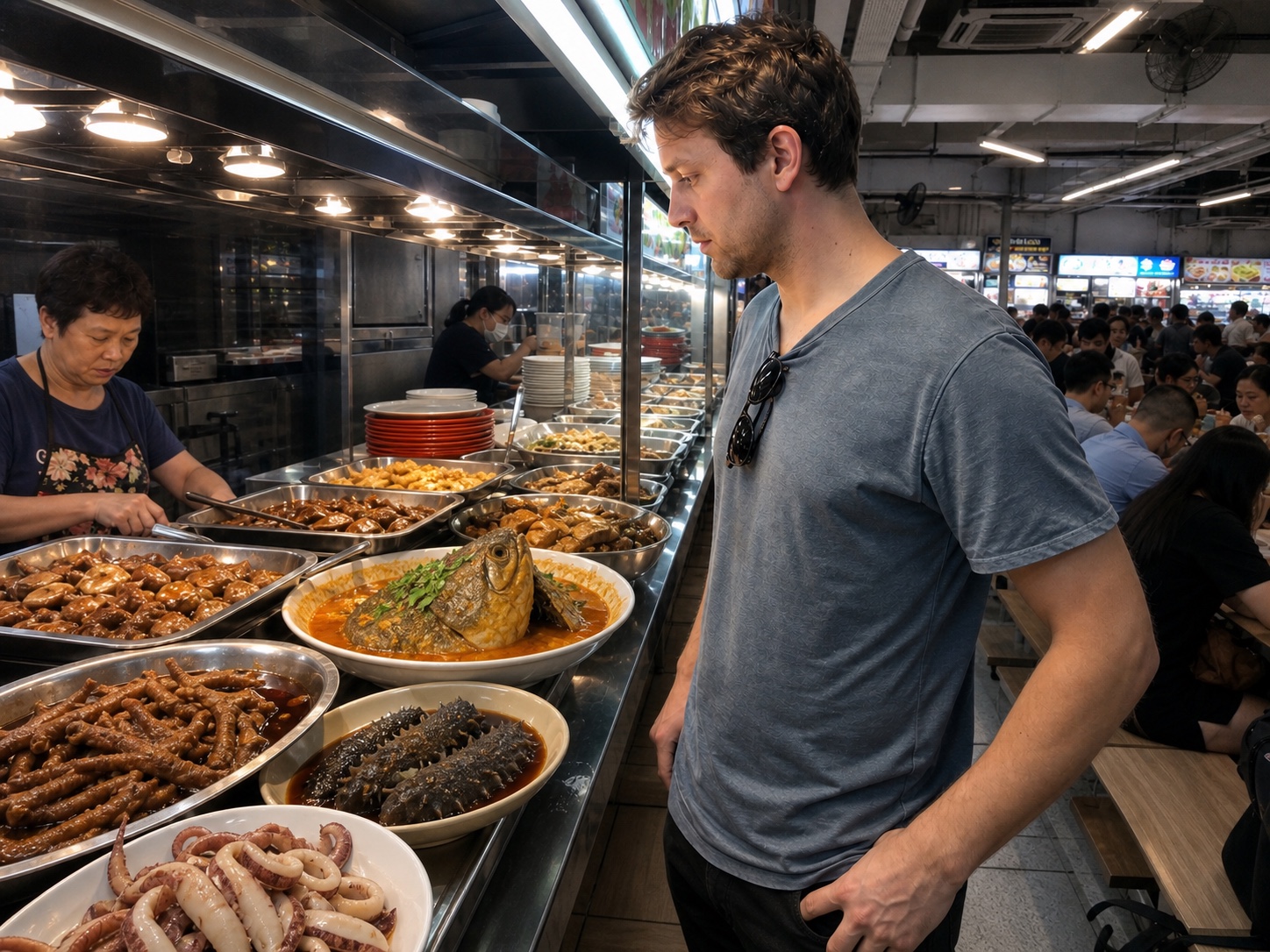
I love trying different foods, yet even after five years in Singapore I have explored only a fraction of what the food courts offer. I still hesitate over some textures and ingredients, and my own knowledge is uneven: chicken rice took time to appreciate, laksa is still a work in progress, and the range of Chinese, Malay, Indian, Indonesian and other cuisines is far larger than any tidy label suggests.
The same goes for supermarkets and grocery stores. I wander through them like they’re museums: walking around, examining the shelves, and most of the products remain a mystery to me. The sections with different types of tofu, vegetables, and sauces are especially perplexing. In contrast, I’ve grown fond of stores with British products. British cuisine is often mocked, but there’s a lot of delicious stuff there. Plus, they have mayonnaise-based salads that I miss here.
I should come up with a system for trying something new. Right now, it’s like a lottery: you have to take a risk and try something unfamiliar, but the chances of it being tasty aren’t always high.
10. The animals I expected to be dangerous 🐊🐍
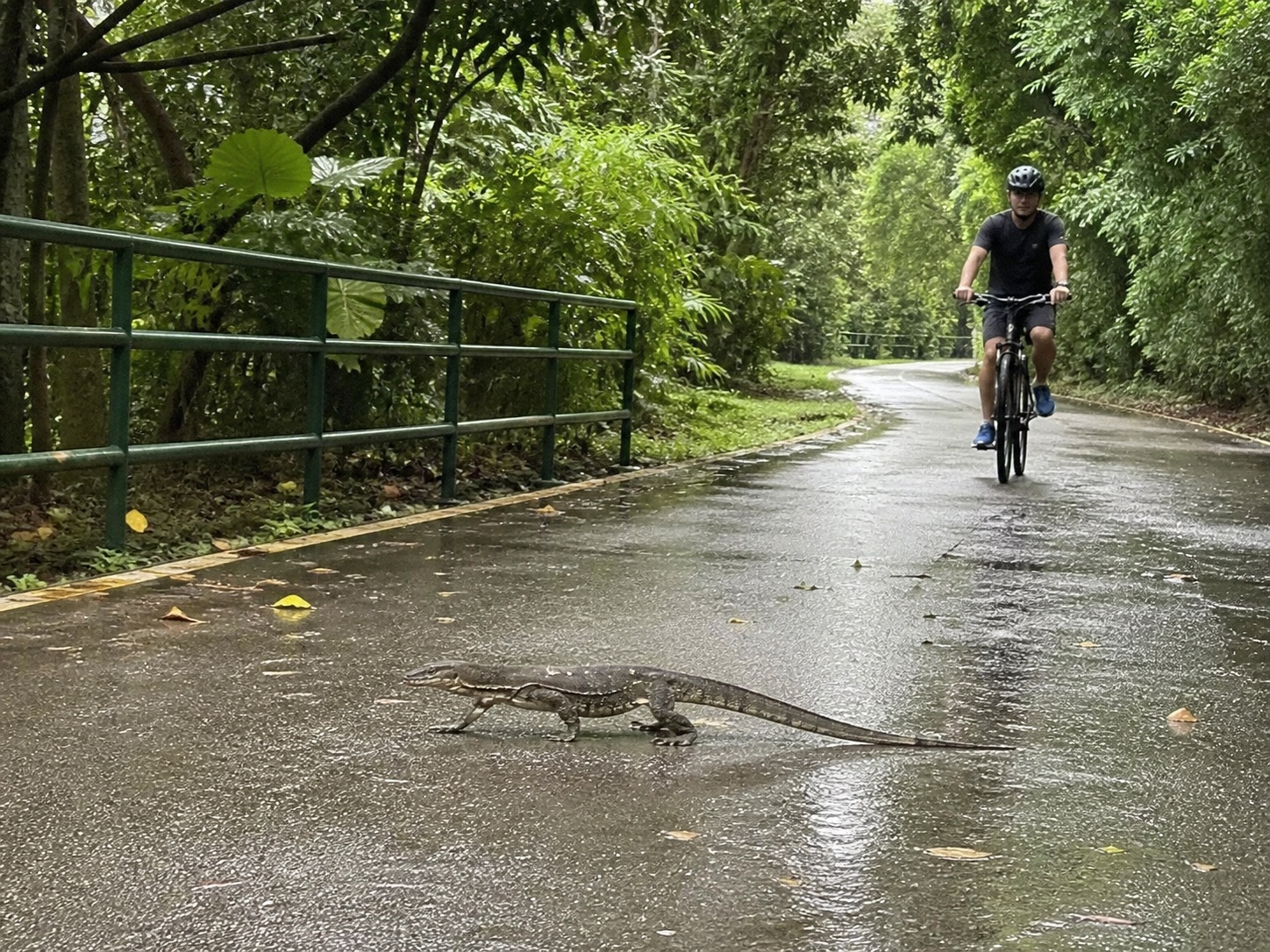
Singapore is in the tropics, so I expected frequent encounters with dangerous wildlife. Saltwater crocodiles live in Singapore’s coastal and wetland areas, and they can travel through seawater — an alarming thought when you regularly swim at East Coast Park. Luckily, I have never seen one there or anywhere else.
There are also snakes here, including cobras. Once, I actually saw a small (about 1 meter long) black snake while biking through the forest. In the city, there are also many monitor lizards, and they are pretty large! Oh, and let’s not forget the monkeys. I’ve only ever seen one wild monkey in Singapore, and that was from a distance.
It turns out that I greatly exaggerated the danger from large wild animals. No animal or reptile has ever threatened me here. The more practical danger is mosquitoes, which can carry dengue. And, occasionally, wild otters. Yes, the charming Singapore otters travel in groups and can bite when they feel threatened. Do not trust the otters.
11. Repair often means replace 🛠
One oddity I keep noticing in Singapore’s rental market is the preference for recently built apartments, even when their rooms are tiny. Previously occupied units can be cheaper. Someone might describe a condo completed in 2015 as “quite old”. A nine-year-old building: old. Part of the explanation, at least from what I have seen, is that buildings and shared facilities can age very quickly.
I once visited a luxurious condo that looked remarkably tired after only twenty years. People were already discussing whether redevelopment would make more sense than repair. With land values rising, that conversation was not entirely absurd.
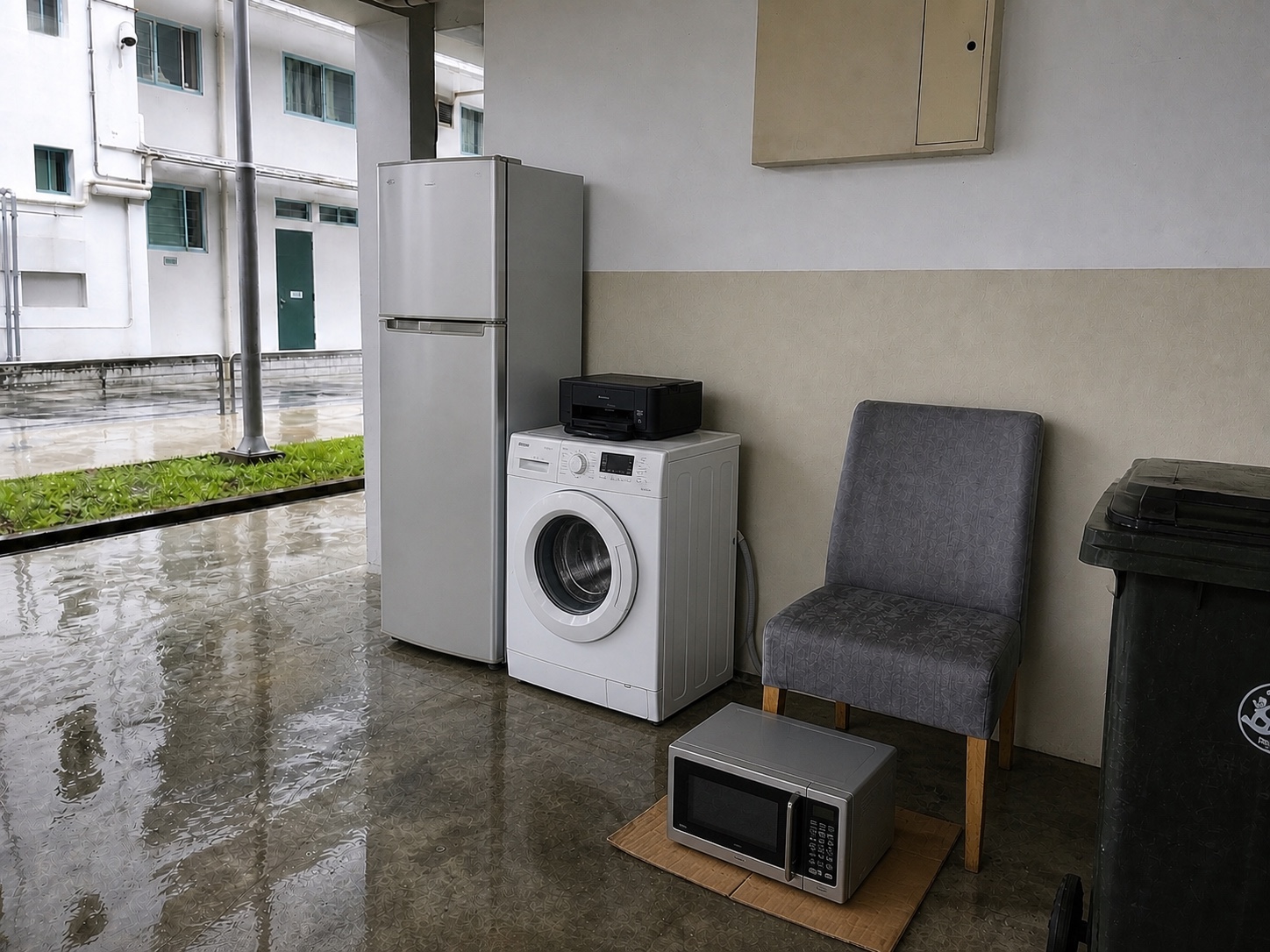
I see the same attitude towards appliances. Washing machine broken? Buy another one. Air conditioner leaking? Replace it. Repair does exist in Singapore, of course, but it is often harder or less economical than I expect. The result is that bulky-item disposal areas regularly contain perfectly respectable furniture and appliances, available for the price of carrying them home.
12. Your friends will leave sooner or later 🧳✈️
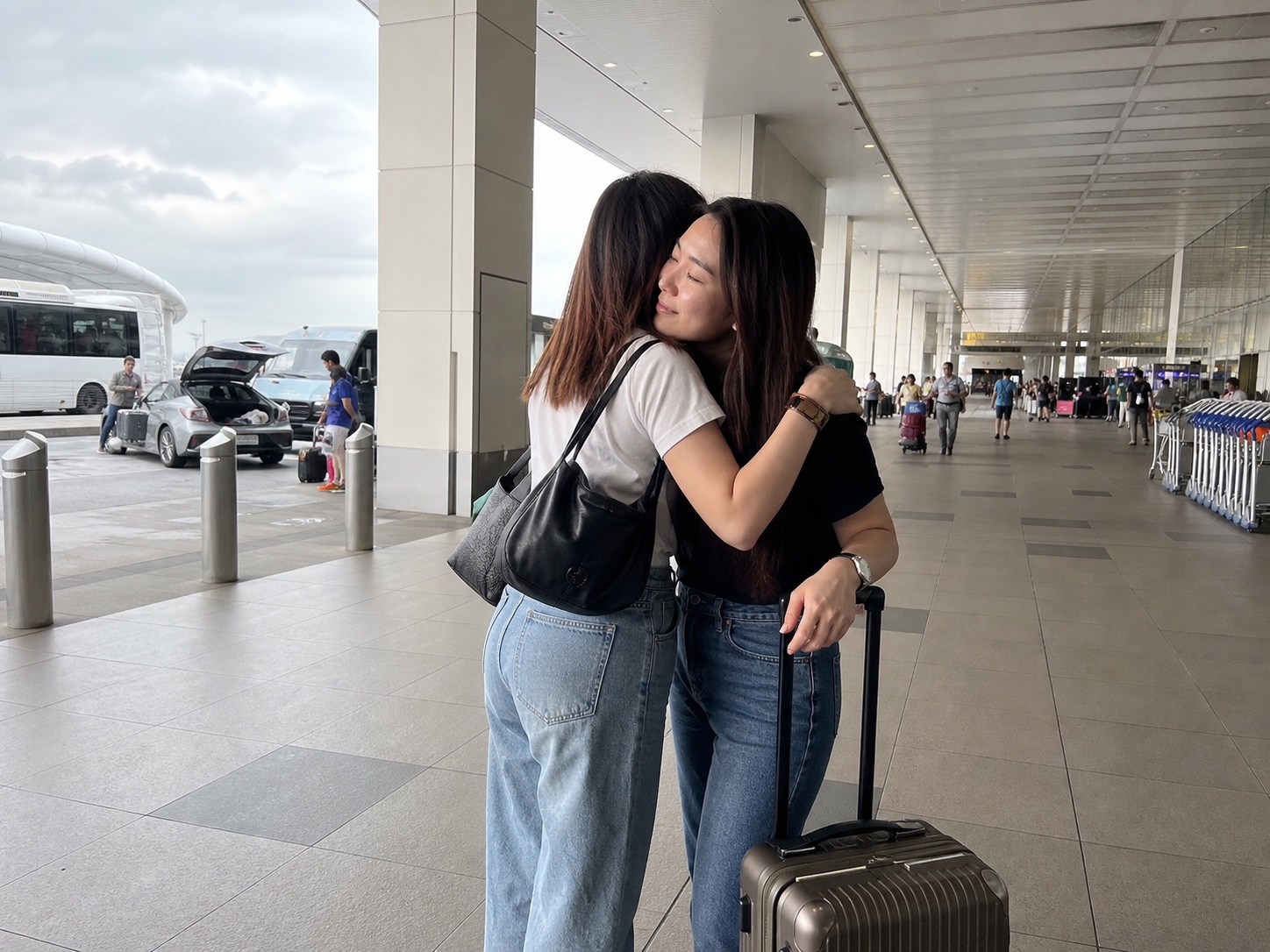
Many people I met after moving to Singapore were also building a social circle from scratch, so friendships formed quickly. Friends with deeper roots here naturally had long-established circles of their own. Either way, repeated departures can make everyone cautious about starting over again.
Singapore makes impermanence unusually visible. Many homes are leasehold. A new car’s Certificate of Entitlement normally begins with a ten-year period; after that, the owner must renew it or deregister the vehicle. Nothing is automatically permanent.
This creates certain difficulties. People come to Singapore easily and leave just as easily. In the five years that I’ve lived here, many of my friends have left, and my social circle constantly changes. The reasons for leaving can vary: some have found better jobs in other countries, some found it too expensive here, and some were fired and had to leave. I also feel that my stay here won’t be permanent, but I don’t know for how long…
Five years later, I’m no longer sure which of these things are strange and which have simply become my version of normal. The list has twelve items only because I stopped counting.
A story of your own?
Loading responses sets a necessary browser cookie to prevent duplicate votes. You can change or remove your answer. Votes are informal, not a representative survey. How responses work · Original discussion ↗